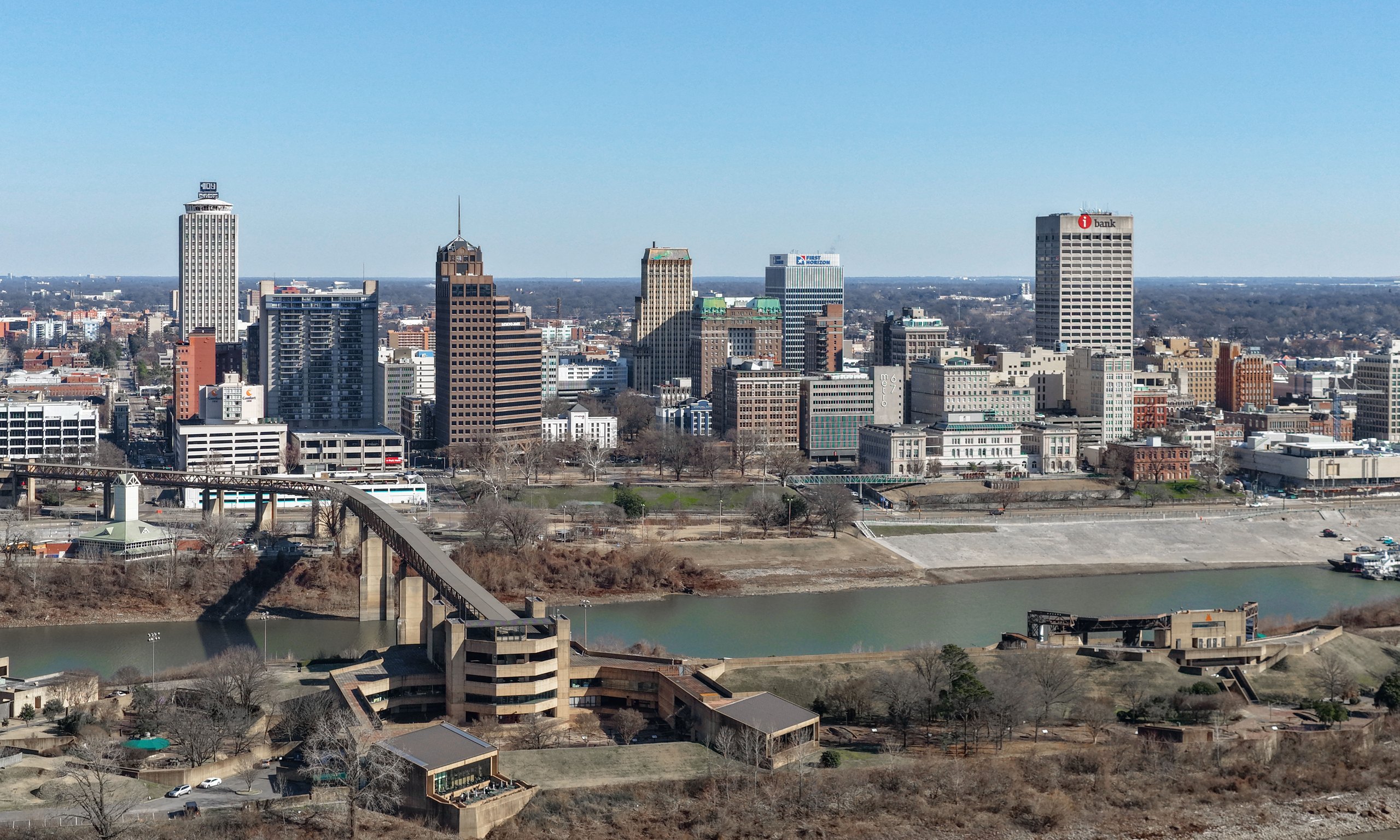
Everything here starts with the water
Memphis is not a city with a river. It is a city because of one.
The bluff is the only high ground on the lower Mississippi that does not flood. That one fact produced the landing, the landing produced the cotton money, the money drew the people, the people made three kinds of music, and the same city became where the sanitation strike and Dr King’s assassination happened. Read as a chain, Memphis stops being a list of unrelated attractions.
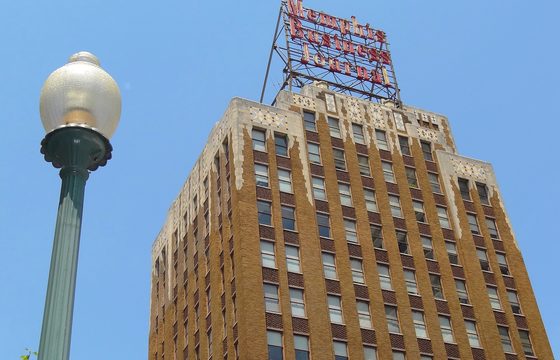
Hero photograph by Quintin Soloviev, Wikimedia Commons, CC BY 4.0.

The chain
One thing caused the next
Navy is the geography and the trade it created; red is what people made out of it. Each link is a section of this site.
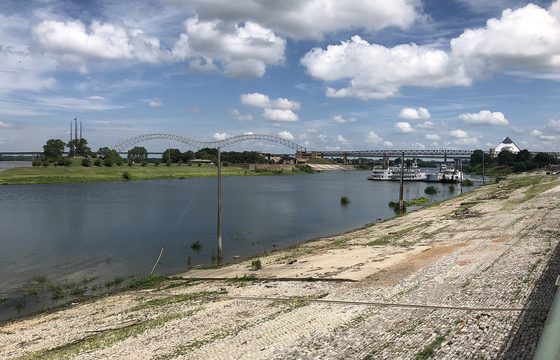 The bluff
 The port
 The cotton
 The people
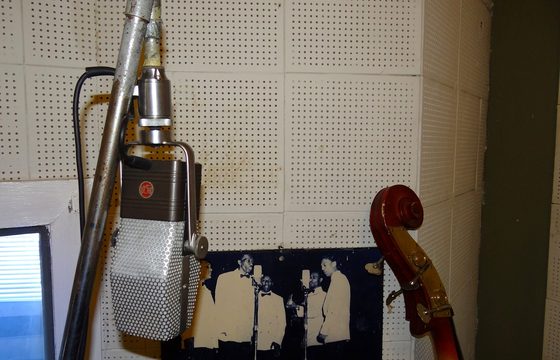 The music
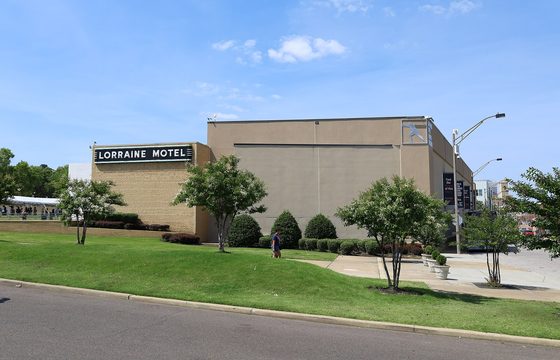 The record
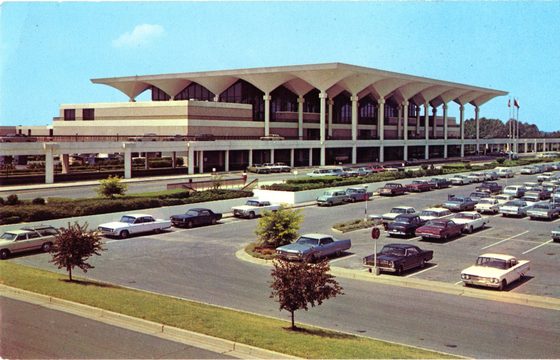 The freight
Why a Memphis guide has to start here
Almost every guide to this city opens with the music, then has to explain the cotton, the Delta and the river as background to it. That is the wrong way round. The river is not context for the music — the music is a consequence of the river, and so is the freight hub at the airport, and so is why the famous places are strung along a corridor instead of clustered in a centre. Start at the water and the rest of the city explains itself.
Everything, by subject
Where things live
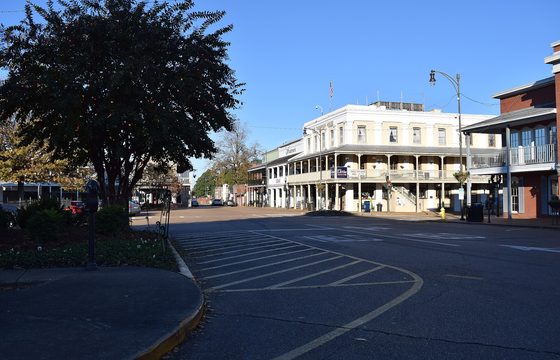 Day TripsThe Delta, Clarksdale, Shiloh, Oxford.
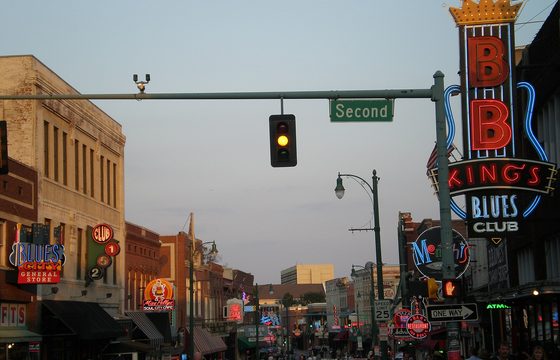 Food & DrinkBarbecue, the dry rub, and what else.
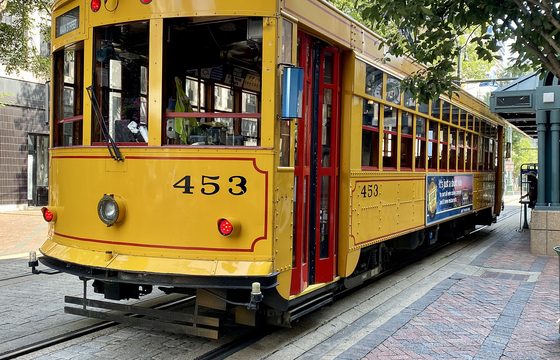 Getting AroundA scattered city, and what the trolley does not reach.
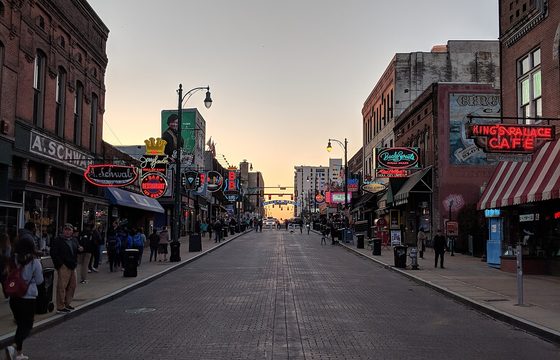
 Itineraries & Day PlansSensible orders for one to three days.
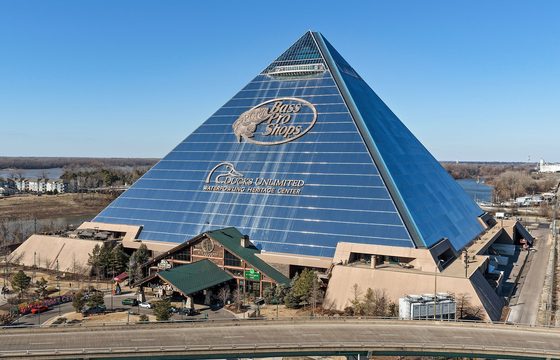
 Landmarks & SightsWhat was built, when, and what for.
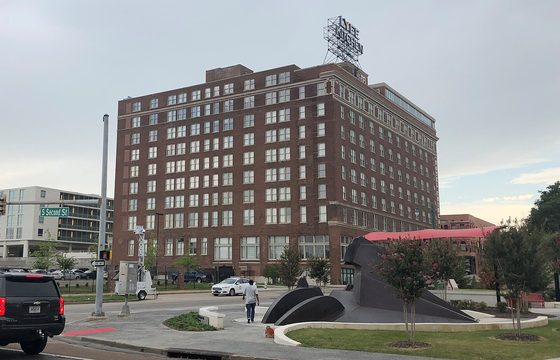 Living in MemphisThe city from the resident’s side.
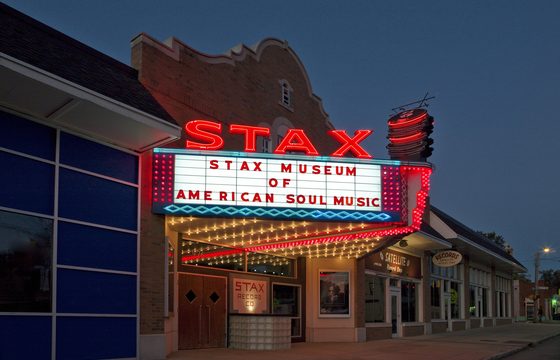 Museums & GalleriesWhat each collection holds, and where it sits.
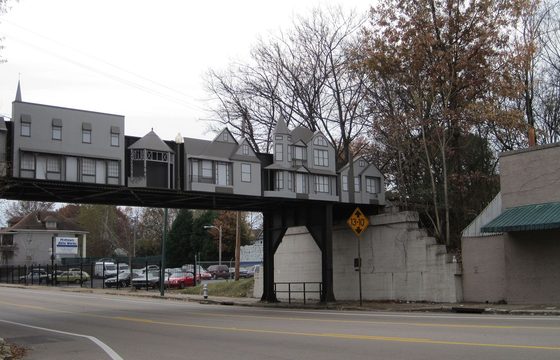 NeighbourhoodsDowntown, Midtown, and the ten miles between.
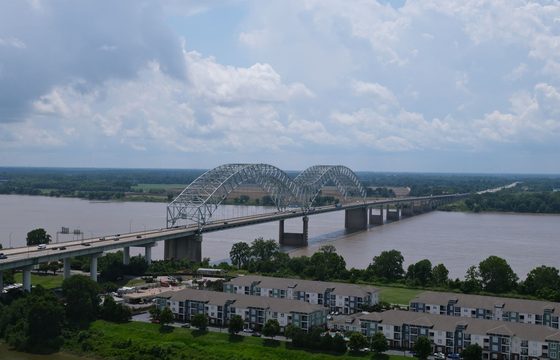 Parks & RiverfrontThe river, the bluff and the green.
 Planning & PracticalitiesThe heat, the seasons, the festivals.
The standing rules
What we can tell you, and what we will not
The third column is the unusual one. Everything in it moves faster than a page can, so we send you to whoever actually knows.
Recently
Newest writing
- 01What Is It Like to Move to Memphis From Out of State?Living in Memphis
- 02What Is Tom Lee Park? Memphis’s 2023 Riverfront RedesignParks & Riverfront
- 03What Is Frayser? Memphis’s North Side Neighborhood ExplainedNeighbourhoods
- 04What Is Orange Mound, and Why Does It Matter?Neighbourhoods
- 05What Is Memphis Like Without a Car, Long Term?Living in Memphis
- 06What Is the Memphis Rental Market Actually Like?Living in Memphis
- 07How Does Memphis Handle Severe Weather? A Clear GuidePlanning & Practicalities
- 08What Do People Mean When They Say Memphis Is Changing?Living in Memphis
Where this site stops
We explain what Memphis contains and how it works. We are not a travel agency, we have not been to these places, and we will not pretend otherwise.
- No invented places, and no invented detail about real onesWe will not name a restaurant we are not certain exists, and we will never describe what being somewhere is like. That is the line the whole genre crosses.
- The civil-rights history is a record, not an attractionWe write those places as what they are and attribute to the museum, the National Park Service or the Tennessee Historical Commission. We do not dramatise them and we do not paraphrase speeches.
- No figures without a source and a yearMemphis gets written about badly with stale statistics. Where we give a number on housing, poverty or schools, we say where it came from and when — or we describe the shape of the thing and give no number at all.
- No fares, prices or opening times as factThey change constantly. We explain the shape of a system and send you to the operator.